


How to improve your gut immunity naturally: Complete diet & lifestyle plan


Improving gut immunity is crucial in overcoming gut disorders and keeping you symptom-free. And this is especially so for conditions such as SIBO (small intestinal bacterial overgrowth), Candida, inflammatory bowel conditions (Crohn's disease and ulcerative colitis), and parasitic infections, such as Blastocystis hominis.
In this blog, we get into the nitty-gritty of how to improve gut immunity naturally. Plus, I give you a comprehensive diet and lifestyle plan to improve the gut-immune axis. These are based on the functional medicine framework that I use in my clinic that addresses the root cause of your gut condition and corrects imbalances or deficits that are perpetuating your problems.
In this post:
In my last post, we looked at the incredible job our immune cells perform to keep us healthy.
They do this in two main ways:
They act as a gatekeeper to the outside world, clearing out pathogens such as bacteria, viruses, and parasites.
They keep normal bacteria and yeasts in check, preventing the overgrowths which commonly cause conditions such as SIBO and Candida.
This isn't the whole story, however, as the immune system has an amazing intelligence where it can cleverly differentiate between our own cells and foreign pathogens. When this 'self-tolerance' mechanism breaks down, that is when both inflammatory disorders (Crohn's disease and ulcerative colitis) and autoimmune conditions (such as Coeliac disease) occur.
Want to know more facts about your gut immune system? [Click here to read my recent blog].
Before building our practical recovery protocol, it is worth looking closely at the specific physiological mechanisms we are targeting and why:
1: Optimising your frontline defence (SIgA)

SIgA (secretory IgA) is the primary antibody responsible for protecting your gut lining from pathogens and overgrowths. It is responsible for:
Protecting you against bacterial toxins, such as the CdtB toxin that causes food poisoning and is often responsible for the onset of SIBO.
Binding to and neutralising pathogens, such as bacteria, viruses, and parasites, as well as preventing normal gut flora from overgrowing, such as bacteria and yeasts.
Controlling and dampening inflammation within the delicate gut lining.
When you support and optimise your SIgA levels, you dramatically reduce your risk of getting food poisoning, recover much faster from acute gastroenteritis, experience fewer food intolerances, and significantly lower your risk of triggering IBD or autoimmune conditions.
Testing for SIgA
In my online clinic, I often find that SIgA is depleted in clients suffering from chronic gut issues, particularly SIBO. It's often useful to test SIgA levels as it vastly helps to guide a recovery protocol, and this can be done as part of a comprehensive stool test. I generally use the Microbiome Mapping test that gives you an accurate, detailed snapshot of your microbiome, digestive function, SIgA and more.
We provide at-home test kits in our online store. You can either purchase the test kit as a standalone or we offer a discounted test kit and consultation package where I interpret your results and create a personalised plan.
2: Building and maintaining a healthy microbiome

If your body were a kingdom, your gut flora would be the residing royal family. Understanding this intimate connection between the gut microbiome and the immune system is key to long-term gut recovery. Most importantly, these beneficial microbes play an incredibly active role in the role of the microbiome in regulation of the immune system by:
Promoting the differentiation of white blood cells for a broader immune response.
Boosting immune activity when a threat is present, and calming it down when there is no danger (preventing chronic inflammation).
Producing short-chain fatty acids (SCFAs), such as butyrate, which fuel gut cells and signal the immune system to remain in a "tolerant," non-autoimmune state.
Preventing unwanted pathogens from forming protective biofilms as well as crowding them out entirely.
3: Healing and maintaining the integrity of the gut lining
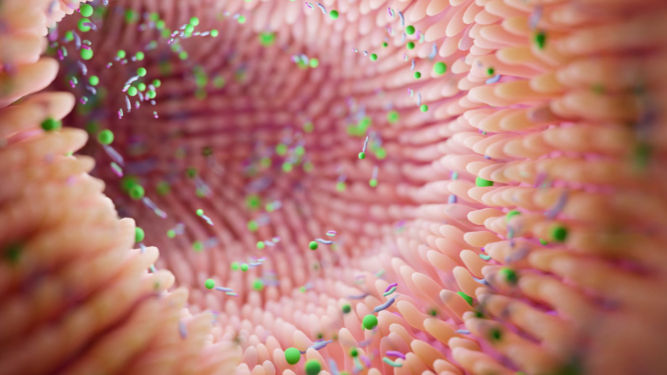
Ensuring the integrity of the gut lining is vital for:
Minimising gut and systemic inflammation.
Creating the perfect environment for your good gut flora to anchor and thrive.
Maintaining a healthy mucosa (mucous layer) to shield the gut wall from damage and support efficient nutrient digestion and absorption.
Preventing lipopolysaccharides (LPS) from entering the bloodstream and triggering a "die-off" (Herxheimer) reaction when you do use targeted antimicrobials.
4: Balancing immune reactivity
When dealing with autoimmunity or chronic gut inflammation, we don't want to necessarily boost the immune system; it is more about making it smarter, to be able to intelligently modulate its responses judiciously.
Promoting "peacekeeper" immune cells: The aim is to encourage the production of T-regulatory (Treg) cells. These are specialised immune cells in the gut responsible for preventing autoimmune attacks while keeping your defences high against actual threats.
Training the immune system: A healthy immune system learns to distinguish friend from foe. We can use specific natural compounds, such as active ingredients found in green tea and turmeric, that act as biological instructors, teaching your white blood cells to react effectively to pathogens without overreacting to harmless foods or your own tissue.
🛠️ Your diet and lifestyle action plan: simple ways to improve your gut immunity
While the immune system is highly sophisticated, the practical strategies to support it are actually very simple. Introduce these gradually - one or two at a time to avoid overwhelm and to gradually build sustainable lifelong habits.
Do's
Choose the right foods 🍏

Diverse plant foods and polyphenols: Incorporate a rainbow of colourful plant foods into your diet. As a simple guide, try to fill at least half of your plate with plant foods, even at breakfast time. Polyphenols can be found in many plant foods and some animal products. These are powerful compounds that act as prebiotics, feeding your beneficial flora, while providing powerful antioxidant support.
Top polyphenol foods: Berries, cold-pressed extra-virgin olive oil, cocoa, spices, herbs, nuts and seeds.
Fibre: Fibre is the raw material your microbiome uses to create SCFAs - vital for maintaining the right environment for your gut flora to thrive and for healthy immune balance. If you have SIBO or a sensitive gut and find that standard fibres, such as psyllium husks, trigger gas and bloating, I recommend PHGG (partially-hydrolysed guar gum) - see my supplement recommendations below.
Omega-3: Oily fish (sardines, wild salmon, mackerel), grass-fed meat, grass-fed butter, and pasture-raised eggs contain omega-3 fatty acids, which act as natural anti-inflammatories and have gut healing properties.
Quality protein: Your body cannot make immune cells without adequate protein building blocks. Prioritise grass-fed meats, pasture-raised eggs, and high-quality protein powders (look for powders that are naturally sweetened with Stevia, thaumatin and/or monk fruit, such as Amazonia Raw or Nuzest). If you tolerate dairy, whey protein is fantastic for helping your body identify and neutralise foreign invaders. Animal protein foods are also a very good source of zinc, which work with other nutrients to boost SIgA levels. For info on the best protein foods and quantities, [click here for my full guide].
Stay hydrated: SIgA, your frontline defence antibody, lives in the mucosal layer of your gut, which is 95% water. If you are dehydrated, this protective barrier thins out. Aim for 2–2.5 litres of water daily.
Tackle your stress
Not to be underestimated - chronic stress results in elevated cortisol, which actively suppresses your secretory IgA and depletes microbiome diversity.
Daily vagus nerve practice: Introduce 10–15 minutes of morning meditation, alternate nostril breathing, or "belly breathing" (where your out-breath is longer than your in-breath) to shift your nervous system from "fight or flight" to "rest and digest". See my supplement recommendations below for herbs and vitamins vital for cortisol regulation and a balanced calm nervous system.

Prioritise sleep 😴
During sleep, your body gets to work repairing tissue and detoxifying.
The liver connection: In traditional Chinese medicine, the body prioritises liver detoxification between 1 a.m. and 3 a.m. Protein, antioxidants and B vitamins are key ingredients for the detoxification process.
Rebalance cortisol: Adequate sleep ensures that cortisol production is working to support you throughout your day, rather than against you when it is dysregulated.
Move your body 🏃♂️

Exercise increases your natural antioxidant production and builds muscle mass. Healthy muscle mass is important as the more muscle you have the greater the number of mitochondria, the cellular energy powerhouses that fuel your immune cells. Movement also encourages proper flow of lymph fluids, needed to transport immune cells and clear away cellular waste.
Get outside 🌳
Getting outdoors is a biological necessity for a balanced immune system.
Catch the morning sun: Morning sunlight exposure helps regulate your circadian rhythm and internal clock, ensuring your immune system knows exactly when to defend and when to repair. This also promotes better sleep quality, helps to boost mood, and reduces the risk of depression.
Green space as medicine: Exposure to nature directly reduces inflammatory markers and boosts the activity of natural killer (NK) cells - your primary defence against viruses.
The don'ts

High-sugar and refined carbohydrates: High sugar intake encourages Candida overgrowths, reduces microbiome diversity and shifts your gut flora population towards more pro-inflammatory bacteria. These can drive leaky gut and put your immune system on permanent high alert.
Excessive alcohol and nicotine: These exhaust your body's antioxidant stores, deplete vitamin and mineral levels, and leave your gut cells highly vulnerable to oxidative damage.
Diet & Lifestyle Summary
Focus area | Daily action step | How it protects your gut immunity |
Diet & nutrition | • Fill half your plate with colorful plants. • Aim for 20g+ quality protein per meal. • Stay hydrated with 2–2.5L of water daily. | • Polyphenols and amino acids build strong white blood cells. • Water keeps the mucosal lining thick so frontline antibodies (SIgA) can thrive. |
Microbiome support | • Use smart, SIBO-friendly fibres like PHGG. • Cut down on refined sugars and simple carbs. | • Feeds beneficial microbes to produce anti-inflammatory short-chain fatty acids (SCFAs). • Starves out opportunistic Candida and pro-inflammatory bacteria. |
Stress modulation | • Practice 10–15 minutes of belly breathing. • Introduce a daily vagus nerve practice. | • Lowers elevated cortisol, which otherwise suppresses your SIgA antibodies and lowers microbiome diversity. |
Sleep & recovery | • Secure 7–8 hours of quality sleep. • Eat a protein-rich dinner to prevent glucose dips. | • Fuels the liver's natural detoxification window (1 a.m.–3 a.m.) and allows cellular tissue to repair. |
Movement & nature | • Exercise daily to maintain healthy muscle mass. • Get outdoors for early morning sunlight. | • Boosts your cellular energy powerhouses (mitochondria) and increases natural killer (NK) virus-fighting cells. |
What to avoid | • Minimise alcohol and nicotine intake. | • Prevents oxidative damage to gut cells and protects your body’s vital antioxidant stores. |
Supplement guide
Suggested supplement (SIBO-friendly) | What it does |
Antioxidant complex | Contains a range of all of the key polyphenols that hold strong antioxidant properties and feed the microbiome. |
Specialised Pro-resolving Mediators (SPMs) | Promotes the active resolution of chronic inflammation and supports tissue repair without suppressing natural immunity. |
Butyrate | Supports your gut bacteria's own production of the key short-chain fatty acid, crucial for a thriving microbiome. Particularly good if your gut flora has been depleted by antibiotic over-use. |
PHGG | SIBO-friendly fibre that feeds the microbiome and also heals the gut. I recommend the PHGG Plus since it also contains spore-based probiotics that are easily tolerated by SIBO sufferers. |
L-glutamine | The go-to for gut healing. An amino acid that provides fuel for cells lining the gut. N.B. It's important to get a proper dose (5 g twice per day), preferably on an empty stomach to receive the full benefits. |
Immune nutrients: A, D, and zinc | Essential co-factors required to stimulate the production and secretion of SIgA to protect your mucosal barrier. |
Ashwagandha | An adaptogenic herb that stabilizes the HPA-axis, lowering elevated cortisol to protect gut diversity from stress. |
Activated B complex | Provides methylated B vitamins necessary for cellular energy production, liver phase I/II clearance, and tissue regeneration. |
Need Further Guidance?

If you are ready to stop guessing and start implementing a personalised nutrition strategy to heal your immune-gut axis, I am here to help.
Schedule a free 15-minute discovery call where we can talk about your individual needs and how to get your health back on track.


Comments